📖 5 min read
Running a small business is a rollercoaster of challenges and triumphs. One of the most critical aspects of navigating this journey successfully is managing your finances effectively. A well-structured budget serves as your financial compass, guiding you towards profitability and sustainability. Without a clear budget, you're essentially flying blind, making it difficult to track expenses, predict revenue, and make informed decisions about investments and growth. This is where a small business budgeting template becomes an indispensable tool, providing a framework for financial organization and strategic planning, ultimately empowering you to take control of your business's financial destiny.
1. Understanding the Importance of a Small Business Budgeting Template
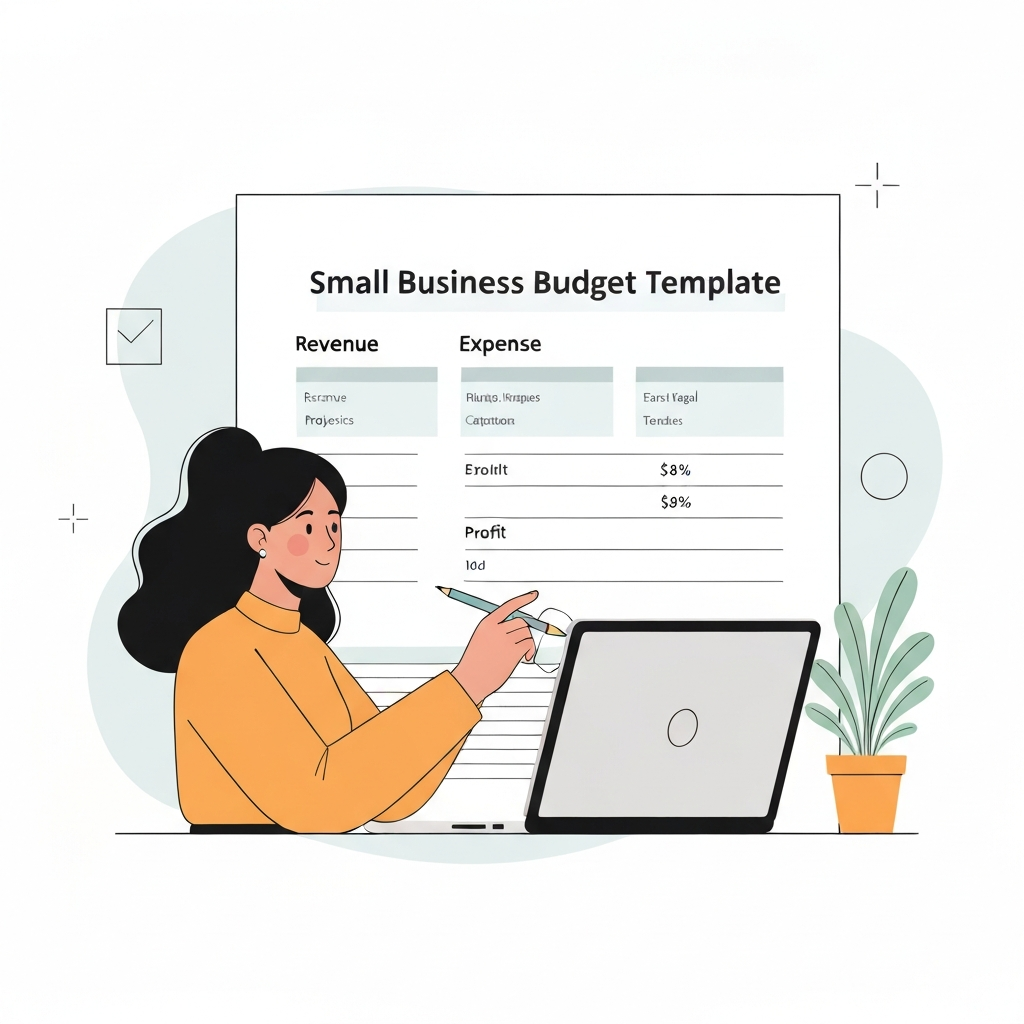
A small business budgeting template is a pre-designed framework that helps you estimate your income and expenses over a specific period, typically a month, quarter, or year. It's essentially a roadmap of your expected financial activity, allowing you to identify potential shortfalls, allocate resources effectively, and track your progress towards your financial goals. By using a template, you can save time and effort compared to building a budget from scratch, and ensure that you cover all the essential aspects of your business's finances.
Imagine a bakery owner using a budgeting template to project their monthly revenue based on anticipated sales of bread, pastries, and custom cakes. The template also helps them itemize their costs, including the cost of ingredients (flour, sugar, eggs), employee wages, rent for the bakery space, utilities, and marketing expenses. By carefully comparing projected revenue to anticipated expenses, the baker can identify potential months where expenses might exceed income, allowing them to proactively adjust their strategy, such as running a special promotion to increase sales or negotiating better prices with suppliers.
The practical implications of using a budgeting template extend beyond simply balancing your checkbook. It allows you to make informed decisions about pricing, hiring, and investments. For instance, if your budget reveals that your marketing expenses are not generating sufficient returns, you can reallocate those funds to a more effective strategy, such as investing in search engine optimization (SEO) or social media advertising. Similarly, if your budget indicates that you have sufficient cash flow, you can confidently invest in new equipment or expand your operations to capitalize on growth opportunities. Ultimately, a budgeting template provides the financial clarity you need to make strategic decisions that drive your business forward.
2. Key Components of an Effective Budgeting Template
A robust budgeting template should encompass all relevant aspects of your small business's finances. While the specific components may vary depending on the nature of your business, certain elements are essential for effective financial planning and management.
- Revenue Projections: This section involves forecasting your sales and other income streams based on historical data, market trends, and anticipated growth. Accurate revenue projections are crucial for setting realistic financial goals and making informed decisions about resource allocation. For example, a consulting firm might project its revenue based on the number of clients it expects to serve and the average fees it charges per project. They should consider factors like seasonality and marketing campaign performance when estimating those figures.
- Expense Tracking: This component involves itemizing all your business expenses, including both fixed costs (rent, salaries, insurance) and variable costs (materials, utilities, marketing). Categorizing your expenses allows you to identify areas where you can potentially reduce costs and improve profitability. A retail business, for example, will track the cost of goods sold, marketing expenses, rent, employee salaries, utilities, and other operational costs. Proper categorization will reveal which expenses are highest and thus represent the biggest opportunity for saving.
- Cash Flow Management: Cash flow is the lifeblood of any small business, and a budgeting template can help you track and manage your cash flow effectively. This involves monitoring the timing of your income and expenses to ensure that you have sufficient funds to meet your obligations. For example, consider a small construction company that secures a large project. Their budget must accurately project when the company will receive payments from the client to ensure sufficient cash flow to pay for material and labor as the project proceeds.
3. Implementing Your Budgeting Template for Maximum Impact
Pro Tip: Regularly review and update your budgeting template to reflect changes in your business environment and market conditions. A static budget quickly becomes obsolete.
Implementing a budgeting template is not simply about filling in the blanks; it's about integrating it into your business's financial management processes. This requires a commitment to tracking your actual income and expenses, comparing them to your budgeted projections, and making adjustments as needed. It’s a dynamic process that requires constant vigilance and analysis.
Start by choosing a template that aligns with your business's specific needs and industry. Many free and paid templates are available online, ranging from simple spreadsheets to sophisticated software solutions. Once you've selected a template, customize it to reflect your business's unique income streams, expense categories, and financial goals. Next, gather your historical financial data, such as sales figures, expense reports, and bank statements, to populate the template with realistic estimates. Don't be afraid to adjust those estimates as you gain more experience with the budgeting process.
The value of a budgeting template lies in its ability to provide insights into your business's financial performance and guide your decision-making. By regularly comparing your actual results to your budgeted projections, you can identify areas where you're exceeding expectations and areas where you're falling short. This allows you to take corrective action, such as adjusting your marketing strategy, renegotiating contracts with suppliers, or streamlining your operations. Ultimately, a well-implemented budgeting template empowers you to make informed decisions that optimize your business's profitability and sustainability. It provides the financial intelligence you need to navigate the complexities of running a small business and achieve your long-term goals.
🔗 Recommended Reading
Conclusion
In conclusion, a small business budgeting template is more than just a spreadsheet; it's a strategic tool that empowers you to take control of your finances, make informed decisions, and achieve your business goals. By understanding the importance of budgeting, selecting a suitable template, and implementing it effectively, you can unlock the full potential of your small business and pave the way for sustainable growth.
The future of small business budgeting is likely to be shaped by technological advancements, such as cloud-based accounting software and artificial intelligence (AI)-powered forecasting tools. These technologies will automate many of the manual tasks associated with budgeting, making it easier for small business owners to track their finances, identify trends, and make data-driven decisions. Embracing these innovations will be essential for staying competitive in the evolving business landscape and maximizing your chances of success.
❓ Frequently Asked Questions (FAQ)
What is the difference between budgeting and forecasting?
Budgeting typically focuses on a shorter timeframe, like a year, and is more detailed, outlining specific income and expense targets. Forecasting, on the other hand, looks further into the future, often several years out, and provides a more general overview of potential financial scenarios. While a budget is a concrete plan, a forecast is more of a projection based on current trends and assumptions, thus serving as a valuable tool for long-term strategic planning and risk assessment.
How often should I review and update my small business budget?
You should review your budget at least monthly, but ideally more frequently, especially if your business is experiencing rapid growth or significant changes in market conditions. Regular reviews allow you to identify any deviations from your projections and make necessary adjustments to your spending or revenue strategies. Consistent budget monitoring is key to maintaining financial stability and ensuring that you stay on track to achieve your goals. For example, if sales dip unexpectedly mid-month, prompt action can be taken.
What are some common mistakes to avoid when creating a small business budget?
One common mistake is underestimating expenses, particularly variable costs like marketing and supplies. Another is failing to account for unexpected events, such as economic downturns or equipment failures. It's also crucial to avoid relying solely on optimistic revenue projections without a solid basis in historical data or market analysis. Furthermore, neglecting to regularly review and update your budget can lead to missed opportunities and financial instability. Always factor in a buffer for contingencies, and maintain a realistic assessment of your business's financial outlook.
Tags: #SmallBusiness #Budgeting #Finance #Template #FinancialPlanning #Entrepreneurship #Accounting