📖 5 min read
Invoicing is the lifeblood of any small business. A well-structured sales invoice not only ensures prompt payment but also projects a professional image to your clients. For many small business owners, creating invoices can feel like a daunting task, diverting valuable time and resources away from core business activities. Understanding the essential elements of a sales invoice template and how to customize it for your specific needs can significantly streamline your billing process and improve your overall financial health. This guide will walk you through everything you need to know about sales invoice templates, from the critical components to best practices for efficient use, so you can get paid faster and focus on growing your business. Effective invoicing is a cornerstone of successful business management, and this guide provides the knowledge and tools necessary to master it.
1. Understanding the Core Components of a Sales Invoice Template
At its core, a sales invoice template is a standardized document used to request payment for goods or services provided. It acts as a formal record of the transaction, outlining the details of what was sold, the quantity, the agreed-upon price, and the payment terms. A well-designed template includes essential elements that ensure clarity and compliance. The inclusion of these elements makes it easy for the customer to understand what they are being billed for, and it also helps you maintain accurate financial records.
For instance, consider a freelance graphic designer who completes a logo design project for a client. Their invoice template would include their business name and contact information, the client's details, a unique invoice number, the date of issue, a clear description of the services rendered (e.g., "Logo Design Package - Includes 3 initial concepts and 2 revisions"), the hourly rate or fixed fee, the total amount due, and the payment deadline. Without these specific details, misunderstandings can arise, leading to delayed payments and potential disputes. Furthermore, using a standardized template ensures consistency across all invoices, making it easier to track payments and manage finances.
The implications of using a comprehensive and well-organized invoice template extend beyond just getting paid on time. It builds trust and credibility with your clients, demonstrating your professionalism and attention to detail. A clear and concise invoice minimizes confusion, reducing the likelihood of errors and disputes. This, in turn, fosters stronger client relationships and encourages repeat business. Moreover, accurate invoicing is crucial for tax compliance and financial reporting. Having a standardized template ensures that all necessary information is captured, making it easier to prepare financial statements and file taxes accurately.
2. Key Elements to Include in Your Sales Invoice Template
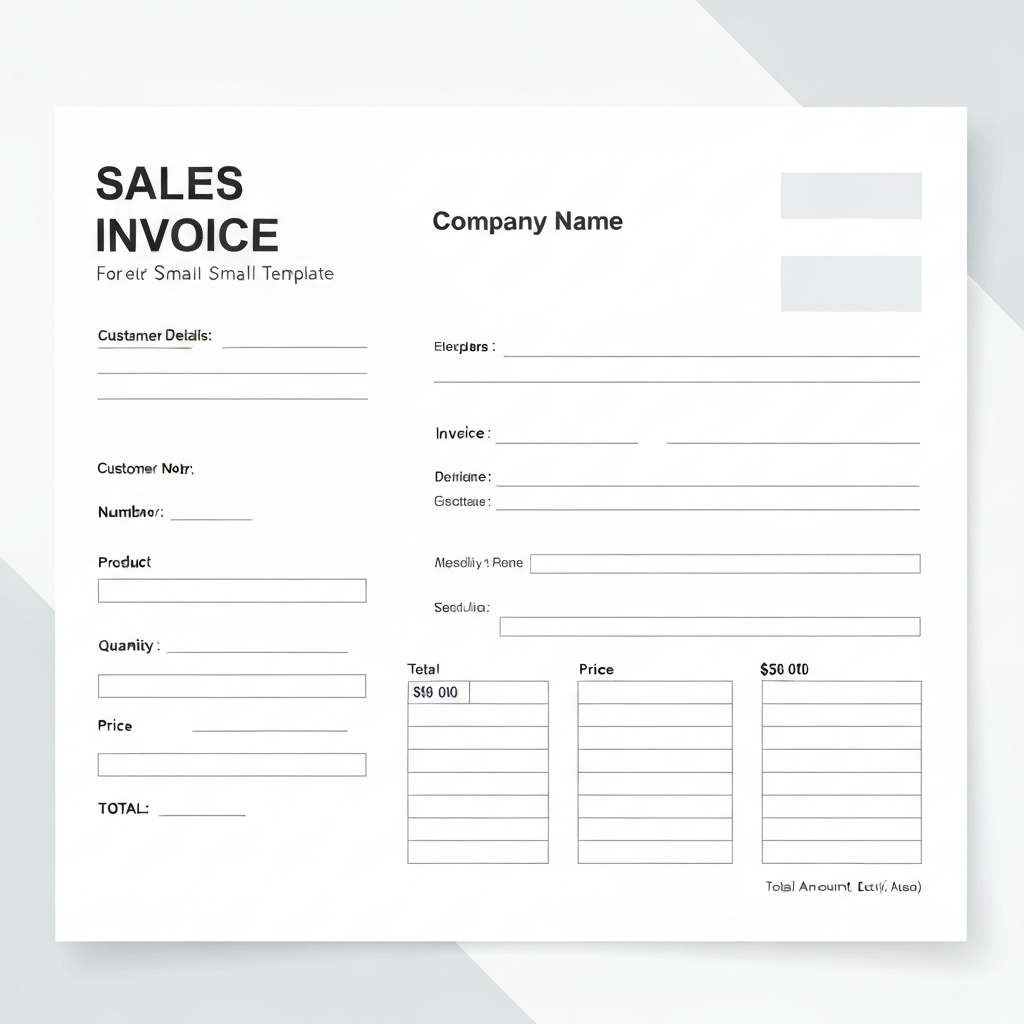
Creating an effective sales invoice template involves incorporating several key elements that ensure clarity, professionalism, and legal compliance. These elements not only facilitate prompt payment but also contribute to maintaining accurate financial records. A comprehensive invoice template leaves no room for ambiguity and strengthens the financial integrity of your business.
- Business Information: Your company's name, address, phone number, email address, and logo should be prominently displayed. This information provides the client with all the necessary contact details and reinforces your brand identity. A professional-looking logo adds credibility and makes your invoices easily recognizable. For example, if you are running a consulting firm, clearly display your business name as it appears on your official documents to avoid any confusion and maintain a consistent brand image.
- Client Information: Include the client's name, address, and contact details. Accurate client information ensures that the invoice reaches the correct recipient and prevents delays in payment. Verify the client's contact details, especially for new clients, to avoid any potential delivery issues. In addition, having the client's official billing address is crucial for legal and tax purposes.
- Invoice Number and Date: Assign a unique invoice number to each invoice for easy tracking and reference. The invoice date indicates when the invoice was issued and is important for setting payment deadlines. Using a sequential numbering system helps you maintain organized records and quickly locate specific invoices when needed. This system also helps in preventing duplicate invoice numbers, which can lead to accounting errors and reconciliation problems.
- Description of Goods or Services: Provide a detailed description of the products or services you are billing for, including the quantity, unit price, and any applicable discounts. Clarity in the description helps the client understand exactly what they are paying for and reduces the likelihood of disputes. If you are providing consulting services, specify the number of hours worked, the hourly rate, and the specific tasks performed. For product sales, include the product name, quantity, and individual price.
- Payment Terms: Clearly state your payment terms, including the due date, accepted payment methods, and any late payment penalties. Setting clear expectations from the outset helps ensure timely payment and minimizes misunderstandings. Specify whether you accept payments via bank transfer, credit card, or other methods. Also, include details on how the client can make the payment, such as your bank account details or a link to your online payment portal.
- Total Amount Due: Clearly display the total amount due, including any applicable taxes or fees. Ensure that all calculations are accurate and easy to understand. Use bold font or a larger size to highlight the total amount, making it easy for the client to see at a glance. Breakdown the taxes and fees separately to provide transparency and avoid any confusion.
3. Optimizing Your Sales Invoice Process for Efficiency
Automate your invoice creation and sending process by using accounting software or online invoice generators. This will save you time and reduce the risk of errors.
Streamlining your sales invoice process is crucial for improving efficiency and ensuring timely payments. By implementing automation tools and best practices, you can minimize manual effort, reduce errors, and accelerate your cash flow. The more efficient your invoicing process, the more time you can dedicate to other important aspects of your business.
Consider integrating your invoicing system with your accounting software to automatically generate invoices based on sales data. This eliminates the need for manual data entry and reduces the risk of errors. Set up automated email reminders to be sent to clients a few days before the payment due date. This simple step can significantly improve your payment collection rate. Also, explore options for accepting online payments directly through your invoices. This provides clients with a convenient payment method and allows you to receive payments faster.
In summary, optimizing your sales invoice process involves leveraging technology to automate repetitive tasks, setting clear payment terms, and providing convenient payment options for your clients. By implementing these strategies, you can improve your cash flow, reduce administrative overhead, and focus on growing your business. A streamlined invoicing process not only benefits your business but also enhances the client experience by providing a seamless and professional service.
🔗 Recommended Reading
- Multi Tenant Database Design for Scalable Applications A Deep Dive into Python Django FastAPI Node.js Backends
- Managing Database Concurrency for Scalable Backends A Deep Dive into Python, Node.js, and RESTful APIs
- Achieving Smooth React UI with Advanced Hooks A Deep Dive into Optimization
- Implementing Caching Strategies for API Performance A Deep Dive for Backend Engineers
- Mastering Distributed Transactions for Microservices