📖 5 min read
Invoicing is the lifeblood of any small business. A well-structured sales invoice not only ensures prompt payment but also projects a professional image to your clients. For many small business owners, creating invoices can feel like a daunting task, diverting valuable time and resources away from core business activities. Understanding the essential elements of a sales invoice template and how to customize it for your specific needs can significantly streamline your billing process and improve your overall financial health. This guide will walk you through everything you need to know about sales invoice templates, from the critical components to best practices for efficient use, so you can get paid faster and focus on growing your business. Effective invoicing is a cornerstone of successful business management, and this guide provides the knowledge and tools necessary to master it.
1. Understanding the Core Components of a Sales Invoice Template
At its core, a sales invoice template is a standardized document used to request payment for goods or services provided. It acts as a formal record of the transaction, outlining the details of what was sold, the quantity, the agreed-upon price, and the payment terms. A well-designed template includes essential elements that ensure clarity and compliance. The inclusion of these elements makes it easy for the customer to understand what they are being billed for, and it also helps you maintain accurate financial records.
For instance, consider a freelance graphic designer who completes a logo design project for a client. Their invoice template would include their business name and contact information, the client's details, a unique invoice number, the date of issue, a clear description of the services rendered (e.g., "Logo Design Package - Includes 3 initial concepts and 2 revisions"), the hourly rate or fixed fee, the total amount due, and the payment deadline. Without these specific details, misunderstandings can arise, leading to delayed payments and potential disputes. Furthermore, using a standardized template ensures consistency across all invoices, making it easier to track payments and manage finances.
The implications of using a comprehensive and well-organized invoice template extend beyond just getting paid on time. It builds trust and credibility with your clients, demonstrating your professionalism and attention to detail. A clear and concise invoice minimizes confusion, reducing the likelihood of errors and disputes. This, in turn, fosters stronger client relationships and encourages repeat business. Moreover, accurate invoicing is crucial for tax compliance and financial reporting. Having a standardized template ensures that all necessary information is captured, making it easier to prepare financial statements and file taxes accurately.
2. Key Elements to Include in Your Sales Invoice Template
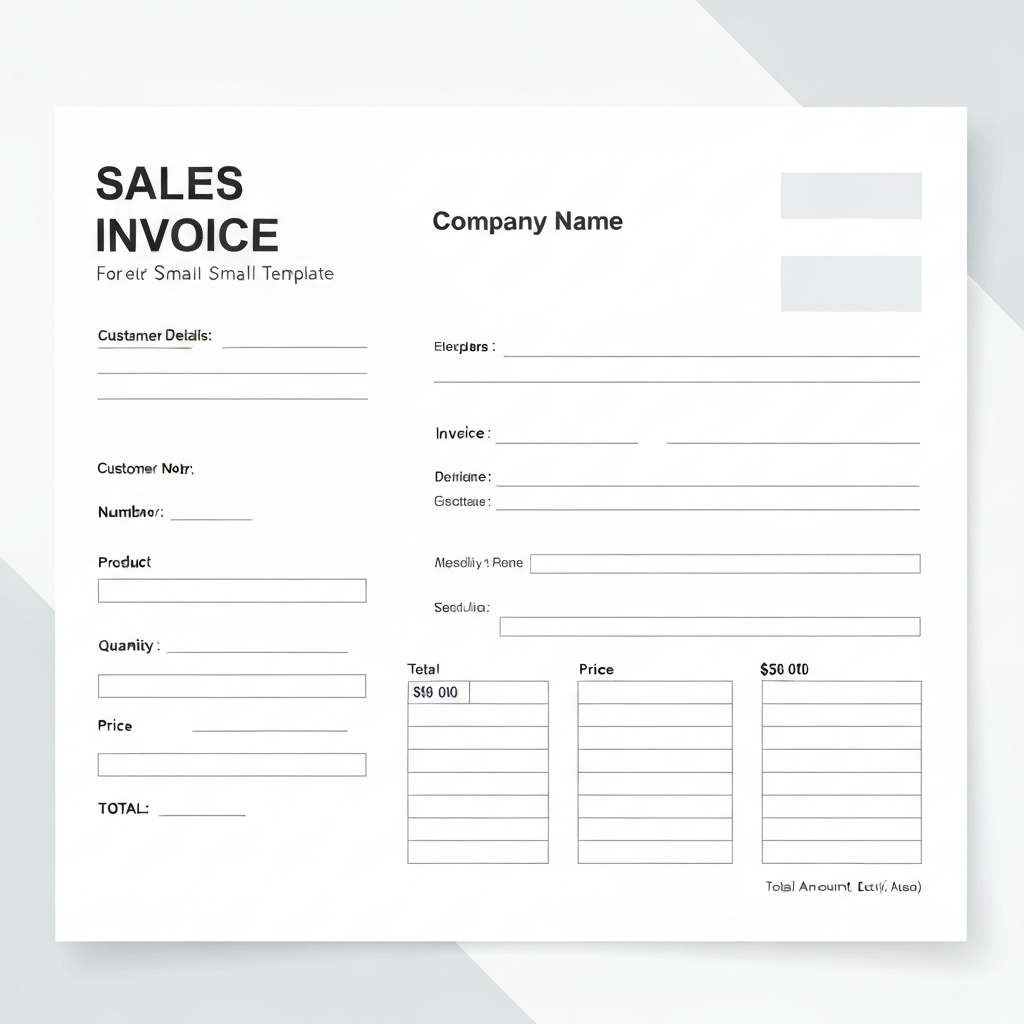
Creating an effective sales invoice template involves incorporating several key elements that ensure clarity, professionalism, and legal compliance. These elements not only facilitate prompt payment but also contribute to maintaining accurate financial records. A comprehensive invoice template leaves no room for ambiguity and strengthens the financial integrity of your business.
- Business Information: Your company's name, address, phone number, email address, and logo should be prominently displayed. This information provides the client with all the necessary contact details and reinforces your brand identity. A professional-looking logo adds credibility and makes your invoices easily recognizable. For example, if you are running a consulting firm, clearly display your business name as it appears on your official documents to avoid any confusion and maintain a consistent brand image.
- Client Information: Include the client's name, address, and contact details. Accurate client information ensures that the invoice reaches the correct recipient and prevents delays in payment. Verify the client's contact details, especially for new clients, to avoid any potential delivery issues. In addition, having the client's official billing address is crucial for legal and tax purposes.
- Invoice Number and Date: Assign a unique invoice number to each invoice for easy tracking and reference. The invoice date indicates when the invoice was issued and is important for setting payment deadlines. Using a sequential numbering system helps you maintain organized records and quickly locate specific invoices when needed. This system also helps in preventing duplicate invoice numbers, which can lead to accounting errors and reconciliation problems.
- Description of Goods or Services: Provide a detailed description of the products or services you are billing for, including the quantity, unit price, and any applicable discounts. Clarity in the description helps the client understand exactly what they are paying for and reduces the likelihood of disputes. If you are providing consulting services, specify the number of hours worked, the hourly rate, and the specific tasks performed. For product sales, include the product name, quantity, and individual price.
- Payment Terms: Clearly state your payment terms, including the due date, accepted payment methods, and any late payment penalties. Setting clear expectations from the outset helps ensure timely payment and minimizes misunderstandings. Specify whether you accept payments via bank transfer, credit card, or other methods. Also, include details on how the client can make the payment, such as your bank account details or a link to your online payment portal.
- Total Amount Due: Clearly display the total amount due, including any applicable taxes or fees. Ensure that all calculations are accurate and easy to understand. Use bold font or a larger size to highlight the total amount, making it easy for the client to see at a glance. Breakdown the taxes and fees separately to provide transparency and avoid any confusion.
3. Optimizing Your Sales Invoice Process for Efficiency
Automate your invoice creation and sending process by using accounting software or online invoice generators. This will save you time and reduce the risk of errors.
Streamlining your sales invoice process is crucial for improving efficiency and ensuring timely payments. By implementing automation tools and best practices, you can minimize manual effort, reduce errors, and accelerate your cash flow. The more efficient your invoicing process, the more time you can dedicate to other important aspects of your business.
Consider integrating your invoicing system with your accounting software to automatically generate invoices based on sales data. This eliminates the need for manual data entry and reduces the risk of errors. Set up automated email reminders to be sent to clients a few days before the payment due date. This simple step can significantly improve your payment collection rate. Also, explore options for accepting online payments directly through your invoices. This provides clients with a convenient payment method and allows you to receive payments faster.
In summary, optimizing your sales invoice process involves leveraging technology to automate repetitive tasks, setting clear payment terms, and providing convenient payment options for your clients. By implementing these strategies, you can improve your cash flow, reduce administrative overhead, and focus on growing your business. A streamlined invoicing process not only benefits your business but also enhances the client experience by providing a seamless and professional service.
🔗 Recommended Reading
Conclusion
Mastering the art of creating and managing sales invoices is crucial for the financial health and operational efficiency of any small business. By understanding the core components of an invoice template, incorporating essential elements, and optimizing your invoice process, you can ensure prompt payment, maintain accurate financial records, and foster strong client relationships. Remember that your invoice is not just a bill; it is a reflection of your professionalism and attention to detail, which can significantly impact your business reputation.
As technology continues to evolve, explore emerging trends in invoicing, such as AI-powered invoice automation and blockchain-based payment systems. These innovations promise to further streamline the invoicing process and enhance security. Embrace these advancements to stay ahead of the curve and ensure that your business remains competitive in the digital age. By consistently refining your invoicing practices, you can create a solid foundation for long-term financial success.
❓ Frequently Asked Questions (FAQ)
What is the difference between an invoice and a receipt?
An invoice is a request for payment issued before payment is made, detailing the goods or services provided and the amount due. It's a prospective bill. A receipt, on the other hand, serves as proof of payment and is issued after the payment has been received. The receipt confirms that the transaction has been completed and provides a record of the payment amount and date. Understanding this distinction is crucial for maintaining accurate financial records and ensuring proper accounting practices.
How often should I send invoices to my clients?
The frequency of sending invoices depends on the nature of your business and the agreements you have with your clients. For project-based work, it's common to send an invoice upon completion of the project or at predetermined milestones. For ongoing services, you might send invoices monthly or weekly, depending on the agreed-upon terms. Consistency is key to managing cash flow effectively and maintaining good client relationships. Clearly communicate your invoicing schedule to your clients from the outset to avoid any misunderstandings or surprises.
What should I do if a client doesn't pay their invoice on time?
If a client fails to pay their invoice on time, the first step is to send a polite reminder a few days after the due date. If the payment is still not received, follow up with a more assertive email or phone call to inquire about the reason for the delay. It's important to maintain a professional and respectful tone while clearly communicating the importance of timely payment. If necessary, you can consider implementing late payment penalties or offering a payment plan to help the client settle their debt. As a last resort, you may need to seek legal advice or involve a collection agency, but try to resolve the issue amicably whenever possible to preserve your client relationship.
Tags: #SmallBusiness #Invoicing #SalesInvoice #Templates #Accounting #Finance #Entrepreneurship