📖 5 min read
In the ever-evolving digital landscape, strong passwords are the first line of defense against cyber threats. With data breaches becoming increasingly common and sophisticated, relying on simple, easily guessable passwords is no longer a viable option. Password complexity requirements are a set of rules designed to ensure that passwords are difficult for malicious actors to crack, thereby protecting sensitive information and systems. Understanding and implementing these requirements is crucial for individuals and organizations alike, forming a cornerstone of robust cybersecurity practices. This comprehensive guide will delve into the intricacies of password complexity, exploring the rationale behind each requirement, providing practical examples, and offering actionable insights to enhance your password security posture.
1. Understanding Password Complexity
Password complexity refers to the characteristics a password must possess to be considered secure and resistant to cracking attempts. These characteristics typically include minimum length, character diversity (uppercase letters, lowercase letters, numbers, and symbols), and restrictions on using easily guessable information like names, birthdays, or common words. The goal is to create passwords that are sufficiently random and unpredictable, making them computationally expensive for attackers to crack using brute-force or dictionary attacks.
For instance, a weak password like "password123" is easily compromised because it's short, consists of only lowercase letters and numbers, and includes a commonly used word. Conversely, a strong password like "P@$$wOrdExAmple9!" is much more resistant due to its length, inclusion of uppercase and lowercase letters, numbers, and symbols, and lack of easily identifiable patterns or words. The more complex a password is, the more computational power and time are required to crack it, significantly reducing the likelihood of a successful breach.
The practical implications of password complexity are far-reaching. Strong passwords protect not only individual accounts but also entire systems and networks. A compromised account can serve as a gateway for attackers to access sensitive data, launch further attacks, or disrupt operations. By enforcing password complexity requirements, organizations can significantly reduce the risk of unauthorized access and data breaches, safeguarding their assets and reputation. Furthermore, compliance with industry regulations and security standards often mandates the implementation of specific password complexity policies, underscoring their importance in maintaining a secure and compliant IT environment.
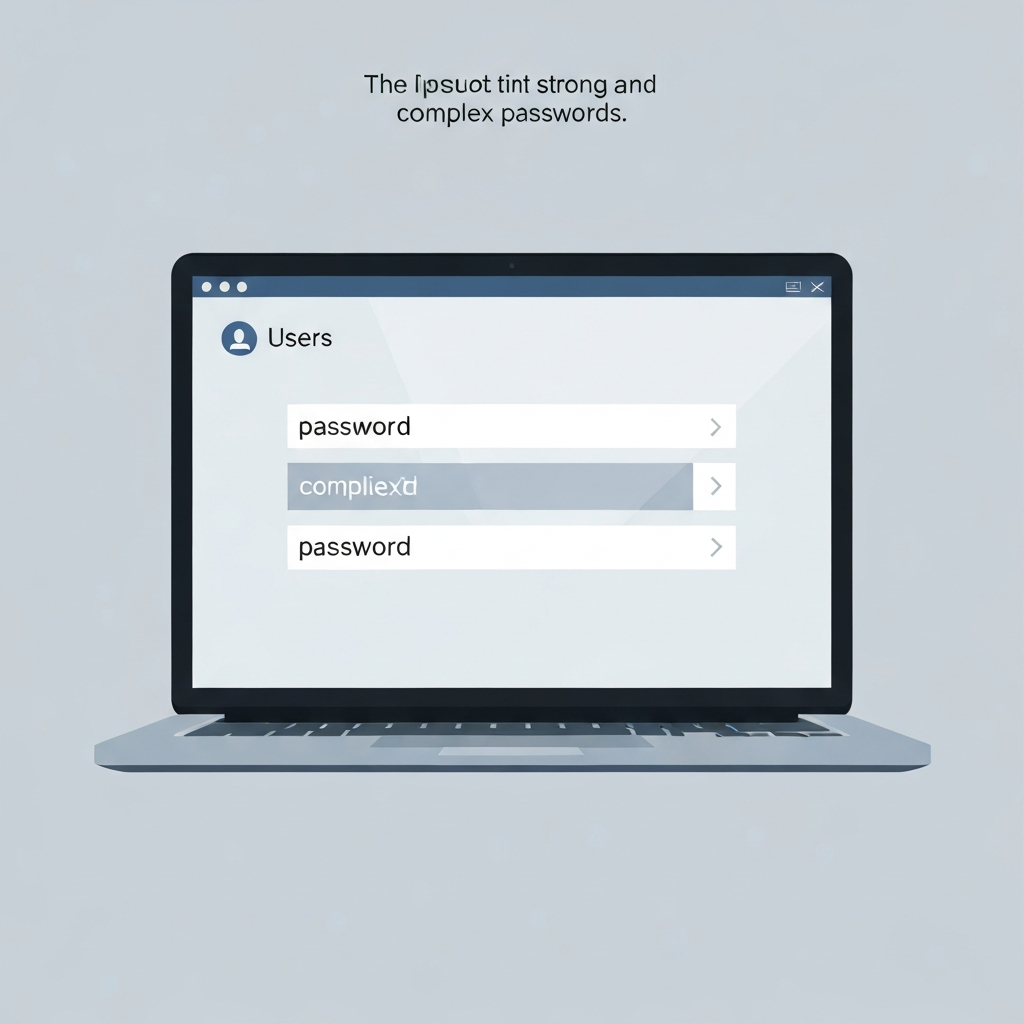
2. Key Password Complexity Requirements
Several key requirements contribute to robust password complexity. These requirements are designed to address different attack vectors and enhance the overall security of passwords.
- Minimum Length: This is arguably the most fundamental requirement. Longer passwords have exponentially more possible combinations, making them significantly harder to crack. Modern password cracking techniques, such as rainbow tables and brute-force attacks, are less effective against longer passwords. A minimum length of 12 characters is generally recommended, with 14 or more being even better. Each additional character dramatically increases the time and resources required to crack the password.
- Character Diversity: Requiring a mix of uppercase letters, lowercase letters, numbers, and symbols significantly increases password complexity. Each character set expands the pool of possible characters, leading to a greater number of possible password combinations. For example, a password consisting only of lowercase letters has fewer possibilities than one that includes both uppercase and lowercase letters. The inclusion of numbers and symbols further enhances the diversity and unpredictability of the password.
- Avoidance of Common Words and Patterns: Passwords should not contain easily guessable information such as dictionary words, names, birthdays, or common patterns (e.g., "qwerty," "123456"). Attackers often use dictionary attacks, which involve trying common words and phrases to crack passwords. Using personal information also makes passwords vulnerable to social engineering attacks, where attackers gather information about the target and use it to guess their passwords. Passwords should be random and unpredictable, avoiding any easily identifiable patterns or personal details.
3. Implementing and Enforcing Password Complexity Policies
Pro Tip: Use a password manager to generate and store strong, unique passwords for each of your accounts. This eliminates the need to remember complex passwords and reduces the risk of password reuse.
Implementing and enforcing password complexity policies requires a multifaceted approach, encompassing technical controls, user education, and ongoing monitoring. Organizations should establish clear and concise password policies that outline the specific requirements for password length, character diversity, and prohibited information. These policies should be communicated effectively to all users, emphasizing the importance of strong passwords in protecting sensitive data and systems. Regular training and awareness programs can help users understand the risks associated with weak passwords and the best practices for creating and maintaining strong passwords.
Technically, password complexity requirements can be enforced through various mechanisms, such as password filters, account lockout policies, and multi-factor authentication. Password filters can be configured to reject passwords that do not meet the specified complexity requirements, preventing users from creating weak passwords in the first place. Account lockout policies can automatically disable accounts after a certain number of failed login attempts, mitigating the risk of brute-force attacks. Multi-factor authentication adds an extra layer of security by requiring users to provide multiple forms of identification, making it more difficult for attackers to gain unauthorized access even if they have compromised a password.
The value of implementing and enforcing strong password complexity policies is immense. By reducing the likelihood of successful password cracking, organizations can significantly minimize the risk of data breaches, unauthorized access, and other security incidents. Strong passwords also contribute to compliance with industry regulations and security standards, enhancing an organization's overall security posture and reputation. Furthermore, a proactive approach to password security can foster a culture of security awareness among users, empowering them to take ownership of their online security and protect their personal and professional information.
Conclusion
In conclusion, password complexity requirements are an essential component of a robust cybersecurity strategy. By enforcing minimum length, character diversity, and restrictions on common words and patterns, organizations can significantly reduce the risk of password cracking and unauthorized access. A proactive approach to password security not only protects sensitive data and systems but also contributes to compliance with industry regulations and fosters a culture of security awareness among users.
As technology evolves, so too will the threats to password security. Future trends in password security may include the increasing adoption of passwordless authentication methods, such as biometric authentication and hardware security keys. These methods offer a more secure and user-friendly alternative to traditional passwords, eliminating the need to remember complex passwords and reducing the risk of phishing attacks. Embracing these emerging technologies will be crucial for staying ahead of the curve and maintaining a strong security posture in the face of evolving cyber threats.
❓ Frequently Asked Questions (FAQ)
Why is password complexity important?
Password complexity is crucial because it significantly increases the difficulty for attackers to crack passwords using various methods, such as brute-force attacks, dictionary attacks, and rainbow tables. Complex passwords, incorporating a mix of uppercase and lowercase letters, numbers, and symbols, create a vast number of possible combinations, making it computationally expensive and time-consuming for attackers to compromise them. This protection is essential for safeguarding sensitive data, preventing unauthorized access to accounts and systems, and maintaining a secure online environment for both individuals and organizations.
What are some examples of strong and weak passwords?
A weak password might be "password123" or "qwerty," as these are easily guessable and commonly used. Similarly, using your name, birthday, or pet's name as a password makes it vulnerable to social engineering attacks. On the other hand, a strong password could be something like "Tr0ub4dor&3l3phant!," which combines uppercase and lowercase letters, numbers, and symbols, and is not a common word or easily associated with you. Password managers can also generate strong, random passwords, such as "xY7pQ@9zR2kL#t," which are difficult to crack but also hard to remember without assistance.
How often should I change my passwords?
While frequent password changes were once a common recommendation, modern security practices suggest focusing on password strength and uniqueness instead. If you have a strong, unique password for each of your accounts, changing them periodically may not be necessary, unless there's a known security breach or compromise. However, if you suspect that your password has been compromised or if you reuse the same password across multiple accounts, it's crucial to change it immediately. Regularly monitoring your accounts for suspicious activity and using a password manager can help you maintain a strong password security posture.
Tags: #PasswordSecurity #Cybersecurity #PasswordComplexity #DataProtection #InformationSecurity #SecurityBestPractices #OnlineSafety