📖 5 min read
The world of music creation is undergoing a profound transformation, driven by the relentless advancements in artificial intelligence. AI music composition tools are no longer a futuristic concept; they are a tangible reality, empowering both seasoned musicians and aspiring composers to explore uncharted creative territories. These tools offer a diverse range of functionalities, from generating melodies and harmonies to creating entire orchestral arrangements with minimal human intervention. As algorithms become more sophisticated, the line between human-composed and AI-generated music is increasingly blurring, raising intriguing questions about the future of music and the role of the artist. This guide delves into the core aspects of AI music composition, examining its capabilities, applications, and the ethical considerations that accompany this technological revolution.
1. Understanding AI Music Composition
At its core, AI music composition involves using artificial intelligence algorithms to generate musical pieces. These algorithms are typically trained on vast datasets of existing music, learning patterns, styles, and structures that they can then replicate or combine in novel ways. The process often involves defining specific parameters such as tempo, key, instrumentation, and desired mood, which the AI uses as a starting point for its composition. Different AI models employ varying techniques, including Markov chains, recurrent neural networks (RNNs), and generative adversarial networks (GANs), each with its own strengths and limitations. Ultimately, the goal is to create music that is both aesthetically pleasing and technically sound.
One example of AI music composition in action is the generation of background music for videos or games. Instead of relying on pre-recorded tracks, developers can use AI tools to create unique, royalty-free music that perfectly matches the mood and pacing of their content. Another application is assisting composers in overcoming writer's block by generating initial ideas or variations on existing themes. Some AI tools can even analyze a musician's playing style and generate music that complements their existing work, fostering a collaborative creative process. These examples highlight the versatility and potential of AI in augmenting and enhancing music creation.
The practical implications of AI music composition are far-reaching, impacting various aspects of the music industry. For professional musicians, AI tools can serve as powerful assistants, streamlining workflows and expanding creative possibilities. For aspiring musicians, these tools can provide an accessible entry point into music creation, democratizing the process and lowering the barrier to entry. Furthermore, AI-generated music has the potential to revolutionize industries such as advertising, film, and gaming, where the demand for original music is constantly growing. As AI technology continues to evolve, its role in shaping the future of music is likely to become even more significant.
2. Key Features and Capabilities of AI Music Tools
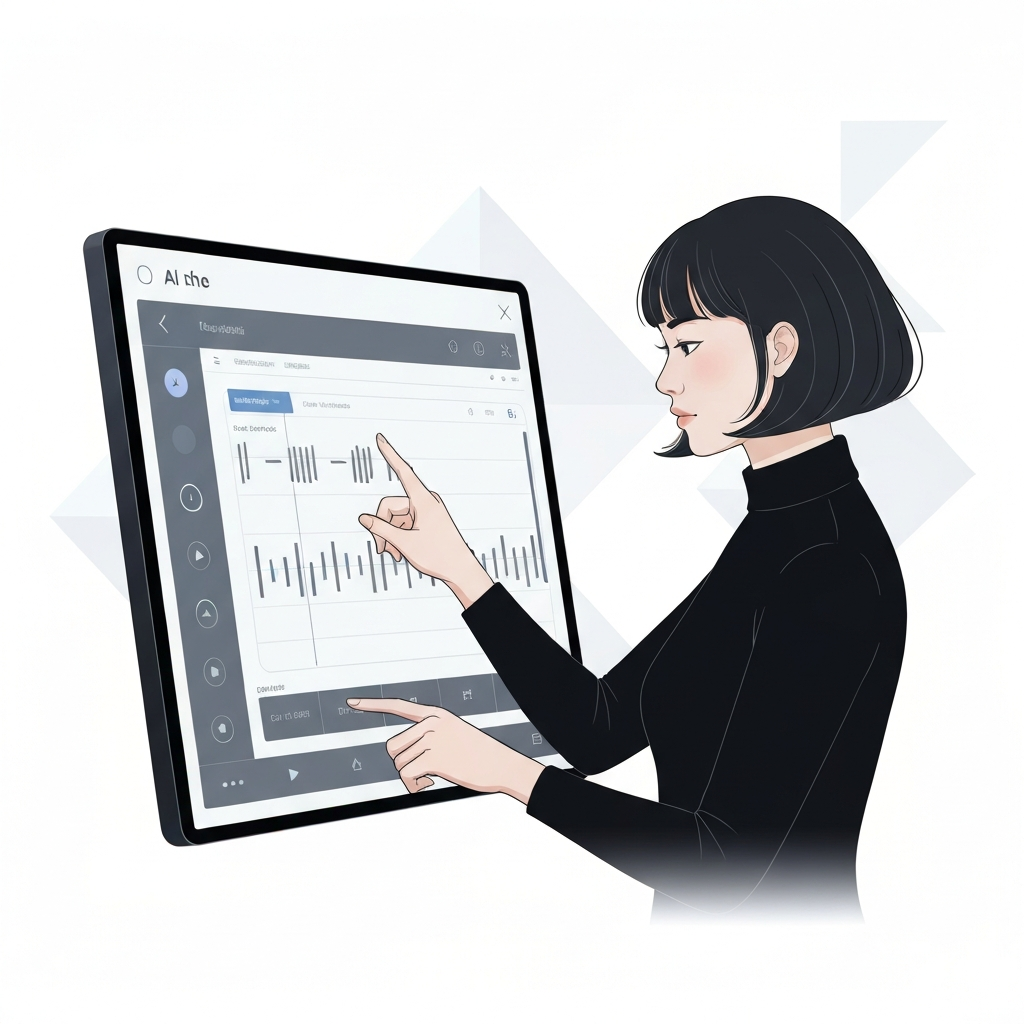
AI music composition tools offer a wide array of features and capabilities, catering to diverse needs and skill levels. These tools can assist with various stages of the music creation process, from generating initial melodies to arranging entire compositions. Understanding these features is crucial for effectively utilizing AI in music creation.
- Melody and Harmony Generation: Many AI tools excel at generating original melodies and harmonies based on user-defined parameters. These parameters can include the desired key, scale, tempo, and mood. The AI algorithms analyze musical patterns and generate sequences of notes that conform to these parameters, often surprising the user with unexpected and creative results. For example, a user could specify a minor key and a melancholic mood, and the AI would generate a melody that reflects these characteristics, providing a starting point for further development.
- Arrangement and Orchestration: Some advanced AI tools can automatically arrange and orchestrate musical pieces, assigning different instruments to different parts and creating a full, layered sound. These tools often have a vast library of virtual instruments, allowing users to experiment with different sonic textures and timbres. The AI algorithms can intelligently choose instruments that complement the melody and harmony, creating a cohesive and balanced arrangement. For instance, a simple piano melody could be transformed into a full orchestral arrangement with strings, woodwinds, and brass, all orchestrated by the AI.
- Style Transfer and Imitation: Another powerful capability of AI music tools is the ability to transfer the style of one piece of music to another or to imitate the style of a particular composer or genre. This is achieved by training the AI on a large dataset of music in the desired style, allowing it to learn the characteristic patterns and techniques. Users can then provide a melody or a chord progression and ask the AI to transform it into the target style. For example, a user could input a simple pop song and ask the AI to transform it into a classical piece in the style of Mozart, or vice versa, enabling experimentation and creative exploration of different musical styles.
3. Practical Applications and Use Cases
Pro Tip: When using AI music composition tools, don't be afraid to experiment with different parameters and styles. The key is to use the AI as a creative partner, not just a music generator. Iterate on the AI's output, adding your own personal touch and musical intuition to create something truly unique.
The practical applications of AI music composition extend far beyond the realm of individual musicians and composers. These tools are finding increasing use in various industries, transforming the way music is created and consumed. The ability to generate high-quality, original music quickly and efficiently is proving to be invaluable in numerous contexts.
One prominent use case is in the creation of background music for video games and films. AI-generated music can provide a cost-effective and time-saving alternative to hiring a composer or licensing existing tracks. The AI can be trained to create music that perfectly matches the mood and pacing of the visuals, enhancing the overall immersive experience. Furthermore, AI can generate personalized music experiences for users. Imagine a fitness app that creates a customized playlist based on your heart rate and activity level, or a meditation app that generates calming ambient music tailored to your emotional state. This level of personalization is made possible by the ability of AI to generate music on demand and adapt it to individual preferences.
Another growing area is the use of AI in music education. AI tools can provide personalized feedback and guidance to aspiring musicians, helping them improve their skills and develop their musical intuition. AI-powered tutoring systems can analyze a student's playing and provide targeted exercises to address their weaknesses. Moreover, AI can be used to generate custom backing tracks for students to practice with, allowing them to explore different musical styles and develop their improvisational skills. By providing accessible and personalized learning experiences, AI has the potential to democratize music education and make it more engaging and effective.
Conclusion
AI music composition tools represent a significant leap forward in the evolution of music technology. By leveraging the power of artificial intelligence, these tools are empowering musicians, composers, and content creators to explore new creative horizons and streamline their workflows. From generating original melodies to arranging entire orchestral pieces, AI is transforming the way music is created and consumed. While the ethical and artistic implications of AI-generated music continue to be debated, its potential to augment human creativity and democratize music creation is undeniable.
As AI technology continues to advance, we can expect to see even more sophisticated and versatile music composition tools emerge. These tools will likely incorporate features such as emotion recognition, allowing them to create music that evokes specific feelings in the listener. They may also be integrated with other creative software, such as digital audio workstations (DAWs), providing a seamless and intuitive workflow. The future of music is undoubtedly intertwined with the future of AI, and the possibilities are truly limitless. The ongoing conversation surrounding ownership, originality, and the role of the human artist will continue to shape the trajectory of AI in music.
❓ Frequently Asked Questions (FAQ)
Can AI music composition tools replace human composers?
While AI music composition tools are becoming increasingly sophisticated, it's unlikely that they will completely replace human composers. AI excels at generating music based on patterns and data, but it often lacks the emotional depth, personal experiences, and nuanced understanding of human expression that are crucial for creating truly compelling and meaningful music. Instead, AI is more likely to serve as a powerful tool for human composers, augmenting their creativity and streamlining their workflows. Think of it as a collaboration, where AI handles the technical aspects and humans provide the artistic vision.
Is music generated by AI considered original?
The question of originality in AI-generated music is complex and multifaceted. Legally, the copyright status of AI-generated music is still being debated, and the answer may vary depending on the jurisdiction. Ethically, the originality of AI-generated music depends on the extent to which it relies on existing musical material and the degree of human input involved in the creation process. If the AI simply replicates existing music, it may not be considered truly original. However, if the AI generates novel combinations of musical elements or if a human composer significantly shapes and refines the AI's output, the resulting music may be considered original to some extent.
What are the ethical considerations surrounding AI music composition?
Several ethical considerations arise from the increasing use of AI in music composition. One concern is the potential for AI to infringe on the copyrights of existing musical works. Another concern is the potential for AI to devalue the work of human composers and musicians, as AI-generated music becomes more readily available and affordable. Furthermore, there are questions about the authorship and ownership of AI-generated music. Who should be credited for the creation of the music – the AI developers, the users who provide the parameters, or the AI itself? These ethical questions require careful consideration and open discussion as AI music composition becomes more prevalent.
Tags: #AIMusic #MusicComposition #ArtificialIntelligence #MusicTech #AItools #MusicProduction #CreativeAI