📖 5 min read
In today's fast-paced digital world, customers expect immediate and efficient support. Long gone are the days of waiting on hold for hours or sending emails that take days to receive a response. Businesses are increasingly turning to AI-powered customer service chatbots to meet these demands, providing instant, personalized support 24/7. These intelligent bots are not just simple question-answer machines; they are sophisticated systems capable of understanding natural language, learning from interactions, and resolving complex issues. This comprehensive guide explores the benefits, implementation strategies, and future trends of AI-powered customer service chatbots, providing you with the knowledge to leverage this technology to enhance your customer experience and drive business growth.
1. Understanding AI Chatbot Fundamentals
AI-powered customer service chatbots are software applications designed to simulate human conversation using artificial intelligence. They are typically deployed on websites, messaging apps, and social media platforms to provide instant support, answer frequently asked questions, and guide customers through various processes. Unlike traditional chatbots that rely on pre-programmed scripts, AI chatbots use natural language processing (NLP) and machine learning (ML) to understand user intent, personalize responses, and continuously improve their performance. This allows them to handle a wide range of queries and provide more accurate and relevant information.
The core technology behind AI chatbots involves several key components. Natural language understanding (NLU) enables the chatbot to decipher the meaning behind a user's input, including identifying keywords, intent, and context. Machine learning algorithms allow the chatbot to learn from previous interactions, identify patterns, and improve its accuracy over time. Dialogue management systems orchestrate the conversation flow, ensuring a coherent and engaging user experience. These technologies work together to create a chatbot that can understand, respond, and learn in a human-like manner. For example, a customer might ask, "What is the status of my order?" The NLU component identifies the intent (check order status) and extracts relevant information (order number, if provided). The dialogue management system then retrieves the order information and presents it to the user in a clear and concise way.
The practical implications of AI chatbots are significant for businesses of all sizes. By automating routine tasks and providing instant support, chatbots can free up human agents to focus on more complex issues. This can lead to increased efficiency, reduced costs, and improved customer satisfaction. Furthermore, chatbots can gather valuable data about customer interactions, providing insights into customer needs, preferences, and pain points. This data can be used to improve products, services, and marketing strategies. Implementing AI chatbots is not just about automating customer service; it's about creating a smarter, more responsive, and more customer-centric business.
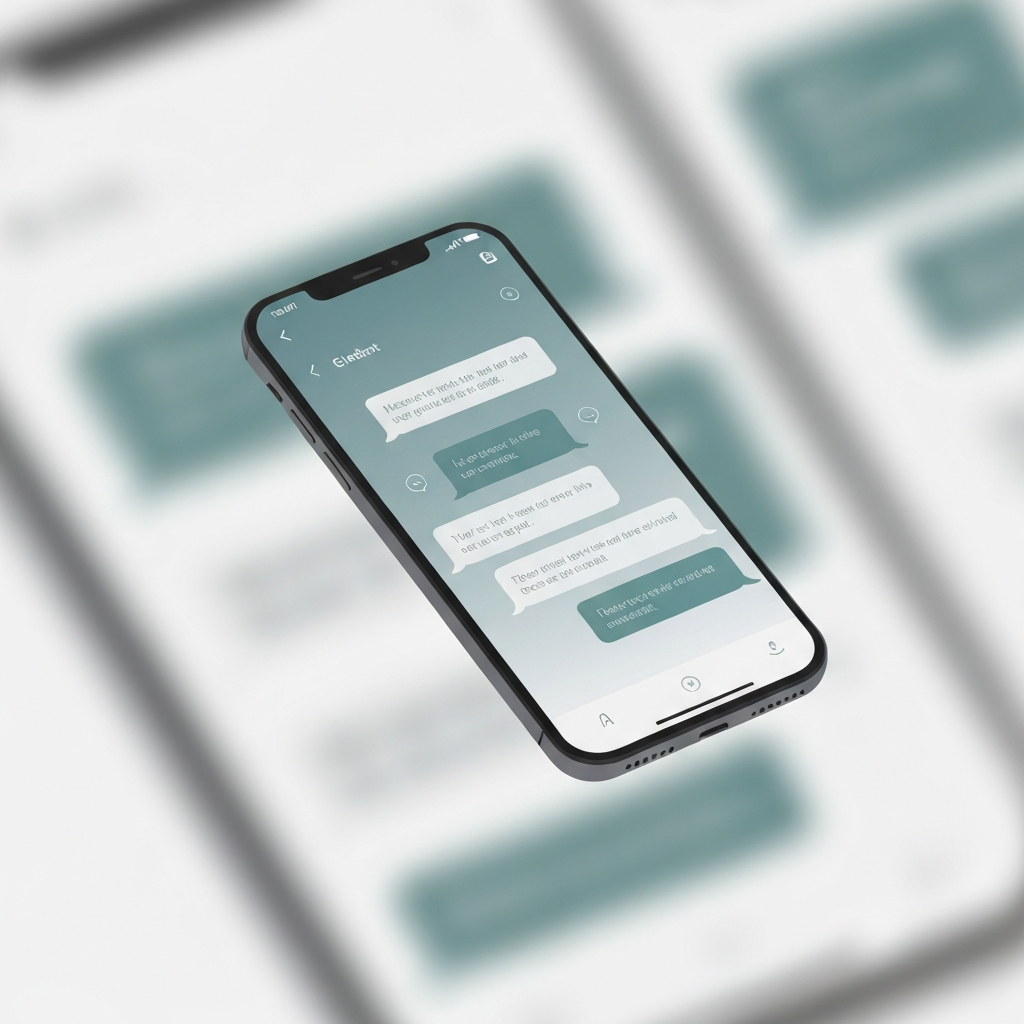
2. Key Benefits of AI Customer Service Chatbots
Implementing an AI-powered chatbot for customer service yields a multitude of advantages that positively impact both customer experience and operational efficiency. From round-the-clock availability to personalized interactions, these benefits make chatbots a valuable asset for any modern business.
- 24/7 Availability: Unlike human agents who require breaks and have limited working hours, AI chatbots can provide support 24 hours a day, 7 days a week. This ensures that customers can get the help they need at any time, regardless of their time zone or location. This constant availability dramatically improves customer satisfaction, especially for businesses with a global customer base.
- Personalized Customer Experience: AI chatbots can analyze customer data and interactions to provide personalized responses and recommendations. By understanding customer preferences and past behavior, chatbots can tailor the conversation to the individual, creating a more engaging and satisfying experience. This personalized approach can lead to increased customer loyalty and advocacy. For instance, an e-commerce chatbot might recommend products based on a customer's previous purchases or browsing history.
- Cost Reduction: By automating routine tasks and handling a large volume of inquiries, AI chatbots can significantly reduce customer service costs. They can handle basic questions, troubleshoot common issues, and guide customers through self-service options, freeing up human agents to focus on more complex and critical issues. This cost savings can be reinvested in other areas of the business, such as product development or marketing.
3. Implementing AI Chatbots- Best Practices
Pro Tip: Start with a well-defined use case. Don't try to solve everything at once. Focus on automating a specific task or answering a common set of questions. This will allow you to gather data, refine your chatbot's performance, and build momentum for broader implementation.
Implementing AI chatbots effectively requires careful planning and execution. It's not enough to simply deploy a chatbot and expect it to solve all your customer service problems. A successful implementation involves defining clear goals, selecting the right technology, and continuously monitoring and optimizing performance. The first step is to identify the specific areas where a chatbot can provide the most value. This could be answering frequently asked questions, providing product recommendations, or assisting with order tracking. By focusing on a specific use case, you can tailor your chatbot to meet the unique needs of your business and customers.
Once you have defined your goals, it's important to choose the right chatbot platform and technology. There are many different platforms available, each with its own strengths and weaknesses. Consider factors such as ease of use, integration capabilities, scalability, and cost. It's also important to ensure that the platform supports the languages and channels that your customers use. After deploying your chatbot, it's crucial to continuously monitor its performance and make adjustments as needed. Track metrics such as conversation completion rates, customer satisfaction scores, and resolution times. Use this data to identify areas where the chatbot can be improved and to optimize its performance over time. Regular updates to the chatbot's knowledge base and training data are also essential to ensure that it remains accurate and relevant.
The value proposition of AI chatbots extends beyond mere automation; it is about enhancing the overall customer journey. A well-implemented chatbot can create a seamless and personalized experience that keeps customers engaged and satisfied. This translates into increased customer loyalty, positive word-of-mouth referrals, and ultimately, a stronger bottom line. Furthermore, the data collected through chatbot interactions provides invaluable insights into customer behavior, enabling businesses to refine their products, services, and marketing strategies for maximum impact.
Conclusion
AI-powered customer service chatbots are transforming the way businesses interact with their customers. By providing instant, personalized support 24/7, chatbots can enhance customer satisfaction, reduce costs, and improve efficiency. The key to a successful implementation is to define clear goals, choose the right technology, and continuously monitor and optimize performance. As AI technology continues to evolve, chatbots will become even more sophisticated and capable, playing an increasingly important role in the future of customer service.
The future of AI chatbots looks promising, with advancements in areas such as natural language understanding, sentiment analysis, and personalization. We can expect to see chatbots become even more integrated into our daily lives, providing seamless and intuitive support across a wide range of channels. Businesses that embrace this technology will be well-positioned to thrive in the increasingly competitive digital landscape. The continuous improvement and adoption of AI in customer service will undoubtedly shape customer expectations and experiences moving forward.
❓ Frequently Asked Questions (FAQ)
How do AI chatbots differ from traditional chatbots?
Traditional chatbots rely on pre-programmed scripts and rule-based systems to respond to user queries, meaning they can only answer specific questions they have been trained for. AI chatbots, on the other hand, leverage natural language processing (NLP) and machine learning (ML) to understand the meaning behind user input and generate more relevant and personalized responses. This allows them to handle a wider range of queries and learn from interactions, continuously improving their performance. For instance, a traditional chatbot might only understand the exact phrase "What is my order status?", while an AI chatbot can understand variations like "Where is my package?" or "Has my order shipped?"
What are the key considerations when choosing an AI chatbot platform?
When selecting an AI chatbot platform, several factors should be taken into account to ensure it aligns with your business needs and goals. Consider the platform's ease of use, integration capabilities with your existing systems (CRM, e-commerce platform, etc.), scalability to handle increasing volumes of conversations, and the level of customization it offers. It's also important to evaluate the platform's natural language processing (NLP) capabilities, its ability to understand different languages, and the availability of analytics and reporting tools. Choosing a platform that offers robust analytics will enable you to track performance, identify areas for improvement, and optimize your chatbot's effectiveness.
How can I measure the success of my AI chatbot implementation?
Measuring the success of your AI chatbot implementation involves tracking various metrics that reflect its impact on customer service and business outcomes. Some key metrics to monitor include conversation completion rates (the percentage of conversations that are successfully resolved by the chatbot), customer satisfaction scores (gathered through post-conversation surveys), resolution times (the average time it takes for the chatbot to resolve an issue), and cost savings (compared to traditional customer service channels). Additionally, you can track the number of inquiries handled by the chatbot, the types of questions it's able to answer, and the impact on human agent workload. Analyzing these metrics will provide valuable insights into the chatbot's performance and help you identify areas for optimization and improvement.
Tags: #AI #Chatbot #CustomerService #ArtificialIntelligence #Automation #NLP #MachineLearning