📖 5 min read
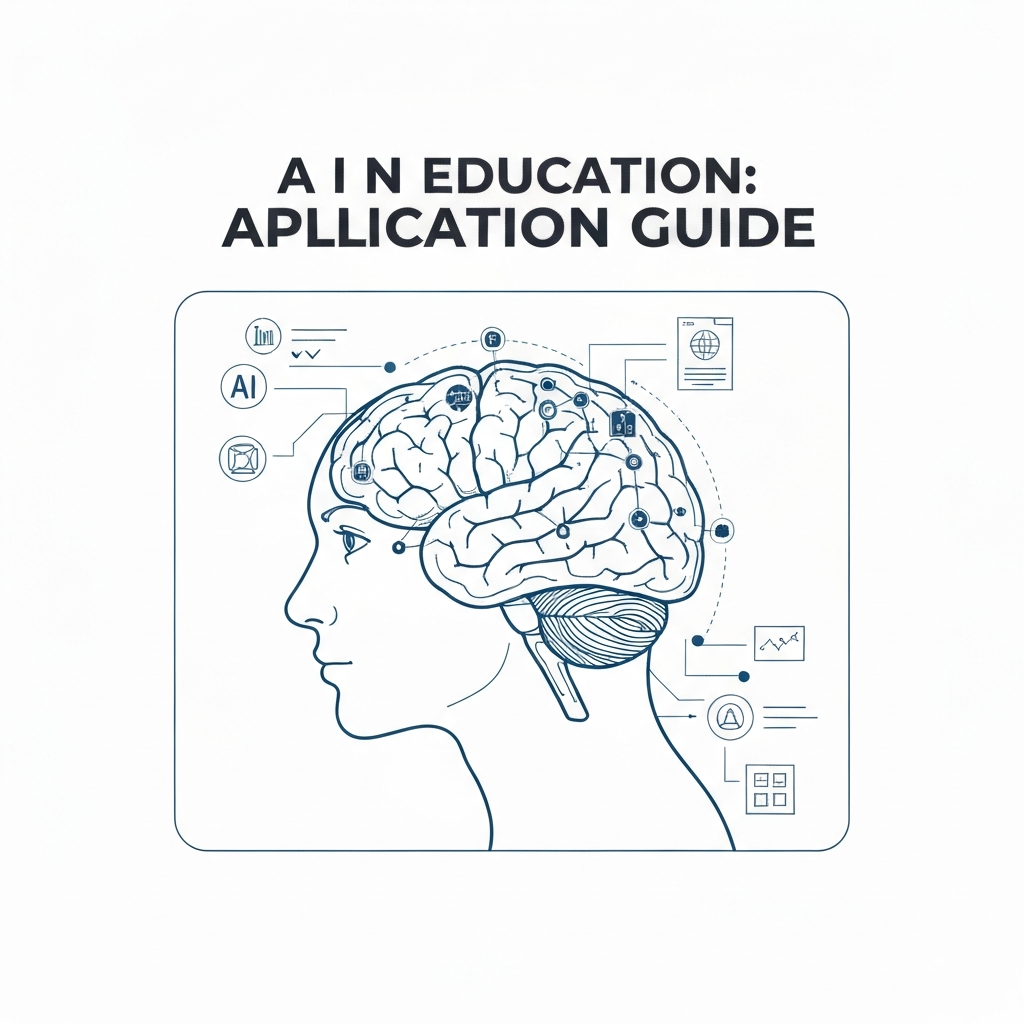
Artificial Intelligence (AI) is rapidly transforming various sectors, and education is no exception. From personalized learning experiences tailored to individual student needs to automating tedious administrative tasks, AI offers a plethora of opportunities to enhance the educational landscape. This guide explores the diverse applications of AI in education, providing insights into current implementations and future trends that promise to revolutionize the way we learn and teach. As educational institutions increasingly embrace digital transformation, understanding the potential and limitations of AI becomes crucial for educators, administrators, and policymakers alike. The integration of AI isn't just about adopting new technologies; it's about reimagining the entire educational paradigm to create more effective, engaging, and equitable learning environments for all students.
1. Personalized Learning with AI Tutors
Personalized learning is at the forefront of educational innovation, and AI-powered tutoring systems are leading the charge. These systems utilize machine learning algorithms to analyze student performance, identify knowledge gaps, and adapt the curriculum accordingly. Unlike traditional one-size-fits-all approaches, AI tutors can provide individualized instruction and support, catering to each student's unique learning style and pace. This adaptive learning experience ensures that students receive targeted assistance where they need it most, fostering deeper understanding and improved academic outcomes.
Consider the example of an AI-powered math tutor that tracks a student's problem-solving strategies. If the student consistently struggles with a specific type of equation, the AI tutor can provide targeted practice problems and detailed explanations to address the underlying concept. Furthermore, the system can adjust the difficulty level of the material in real-time, ensuring that the student is challenged but not overwhelmed. Data collected from these interactions can provide educators with valuable insights into student learning patterns, enabling them to further refine their teaching methods and curriculum design.
The practical implications of AI-driven personalized learning are far-reaching. By providing students with customized support, these systems can help close achievement gaps and improve overall student engagement. Moreover, AI tutors can free up educators' time, allowing them to focus on providing more individualized attention and support to students who need it most. As AI technology continues to evolve, we can expect to see even more sophisticated personalized learning solutions emerge, further transforming the educational experience.
2. AI-Powered Automation in Education
Beyond personalized learning, AI is also playing a significant role in automating various administrative tasks within educational institutions. This automation not only streamlines operations but also frees up valuable time and resources that can be better allocated to student-centered activities. From grading assignments to managing student records, AI-powered tools are transforming the way schools and universities operate.
- Automated Grading: AI-powered grading systems can automatically assess objective assessments such as multiple-choice quizzes and standardized tests, significantly reducing the workload for educators. These systems utilize natural language processing (NLP) to analyze student responses and provide feedback, even on essay-based questions. While not a replacement for human evaluation, these tools can expedite the grading process and provide valuable insights into student performance.
- Student Record Management: AI can streamline the management of student records, automating tasks such as enrollment, attendance tracking, and transcript processing. By leveraging machine learning algorithms, these systems can identify patterns and anomalies in student data, helping administrators make informed decisions and improve operational efficiency. This leads to quicker access to information and reduced administrative burden.
- AI Chatbots for Student Support: AI-powered chatbots are increasingly being used to provide students with instant answers to common questions about admissions, financial aid, and academic resources. These chatbots can handle a high volume of inquiries simultaneously, freeing up staff to focus on more complex issues. They offer 24/7 support, making information readily accessible to students regardless of their location or time zone.
3. AI for Accessible and Inclusive Education
Leverage AI-powered assistive technologies to create more inclusive learning environments for students with disabilities. Tools like real-time transcription and text-to-speech software can significantly improve accessibility and ensure that all students have equal opportunities to succeed.
Creating accessible and inclusive learning environments is a critical goal for educational institutions, and AI offers powerful tools to support this effort. Students with disabilities often face unique challenges in accessing educational materials and participating in classroom activities. AI-powered assistive technologies can help bridge these gaps and ensure that all students have equal opportunities to succeed.
One notable application is real-time transcription, which uses AI to convert spoken words into text in real-time. This technology is particularly beneficial for students who are deaf or hard of hearing, as it allows them to follow classroom discussions and lectures more easily. Similarly, text-to-speech software can convert written text into audible speech, providing support for students with visual impairments or learning disabilities such as dyslexia. These tools empower students to actively participate in the learning process and achieve their full potential.
The value of AI in promoting accessibility and inclusivity extends beyond assistive technologies. AI-powered analytics can also be used to identify patterns and biases in educational materials and practices, helping institutions create more equitable learning environments. By analyzing student performance data, educators can identify areas where students from marginalized groups may be struggling and develop targeted interventions to address these challenges. This data-driven approach ensures that resources are allocated effectively and that all students have the support they need to thrive.
🔗 Recommended Reading
20260325-Developing-a-Strong-Business-Plan-A-Comprehensive-Guide
Conclusion
The integration of AI in education holds immense promise for transforming the learning experience and creating more effective, engaging, and equitable educational systems. From personalized learning with AI tutors to automated administrative tasks and enhanced accessibility for students with disabilities, AI offers a wide range of applications that can benefit students, educators, and administrators alike. By embracing these technologies and carefully considering their ethical implications, we can unlock the full potential of AI to revolutionize education.
Looking ahead, the future of AI in education is likely to be shaped by advancements in areas such as natural language processing, computer vision, and robotics. We can expect to see even more sophisticated AI-powered tools emerge, further enhancing personalized learning experiences, automating administrative tasks, and promoting accessibility and inclusivity. As AI technology continues to evolve, it is essential that we prioritize ethical considerations and ensure that these tools are used responsibly to create a more just and equitable educational system for all.
❓ Frequently Asked Questions (FAQ)
How can AI help students with learning disabilities?
AI offers several assistive technologies that can significantly benefit students with learning disabilities. For example, text-to-speech software can convert written text into audible speech, assisting students with dyslexia or visual impairments. Real-time transcription can also aid students with auditory processing difficulties by providing a visual representation of spoken information. These tools provide tailored support, enabling them to access educational content and participate more effectively in classroom activities.
What are the ethical considerations of using AI in education?
The use of AI in education raises several ethical concerns that must be carefully addressed. One key concern is data privacy, as AI systems collect and analyze large amounts of student data. It is crucial to ensure that this data is protected and used responsibly, with appropriate safeguards in place to prevent misuse or unauthorized access. Another ethical consideration is bias, as AI algorithms can perpetuate and amplify existing biases if they are trained on biased data. Therefore, it is essential to carefully evaluate and mitigate potential biases in AI systems to ensure that they are fair and equitable for all students. Transparency and accountability are also vital, to understand how AI systems make decisions and hold developers accountable for their impact on students.
How can educators prepare for the integration of AI in their classrooms?
Educators can prepare for the integration of AI by focusing on developing skills that complement AI technologies, such as critical thinking, creativity, and collaboration. Understanding the fundamentals of AI and its potential applications in education is also crucial. Participating in professional development opportunities focused on AI can help educators learn how to effectively use AI-powered tools to enhance their teaching practices. Moreover, educators should be actively involved in the design and implementation of AI systems to ensure that they meet the needs of their students and align with their pedagogical goals. Staying informed about the latest advancements in AI and engaging in ongoing dialogue with experts and colleagues will also be essential for navigating the evolving landscape of AI in education.
Tags: #AI #Education #EdTech #ArtificialIntelligence #PersonalizedLearning #Automation #FutureOfEducation