📖 5 min read
Agriculture, the backbone of civilization, faces unprecedented challenges in the 21st century. A growing global population, climate change, and resource scarcity demand innovative solutions to ensure food security. Artificial intelligence (AI) is emerging as a powerful tool to address these challenges, offering farmers the ability to optimize their operations, reduce waste, and increase yields in a sustainable manner. From precision farming techniques to automated harvesting systems, AI is revolutionizing every aspect of the agricultural value chain. This article delves into the transformative potential of AI in agriculture, exploring its current applications and its promise for the future of farming. Join us as we explore the cutting-edge technologies that are reshaping how we grow and produce food, paving the way for a more efficient and sustainable agricultural ecosystem.
1. Current Applications of AI in Agriculture
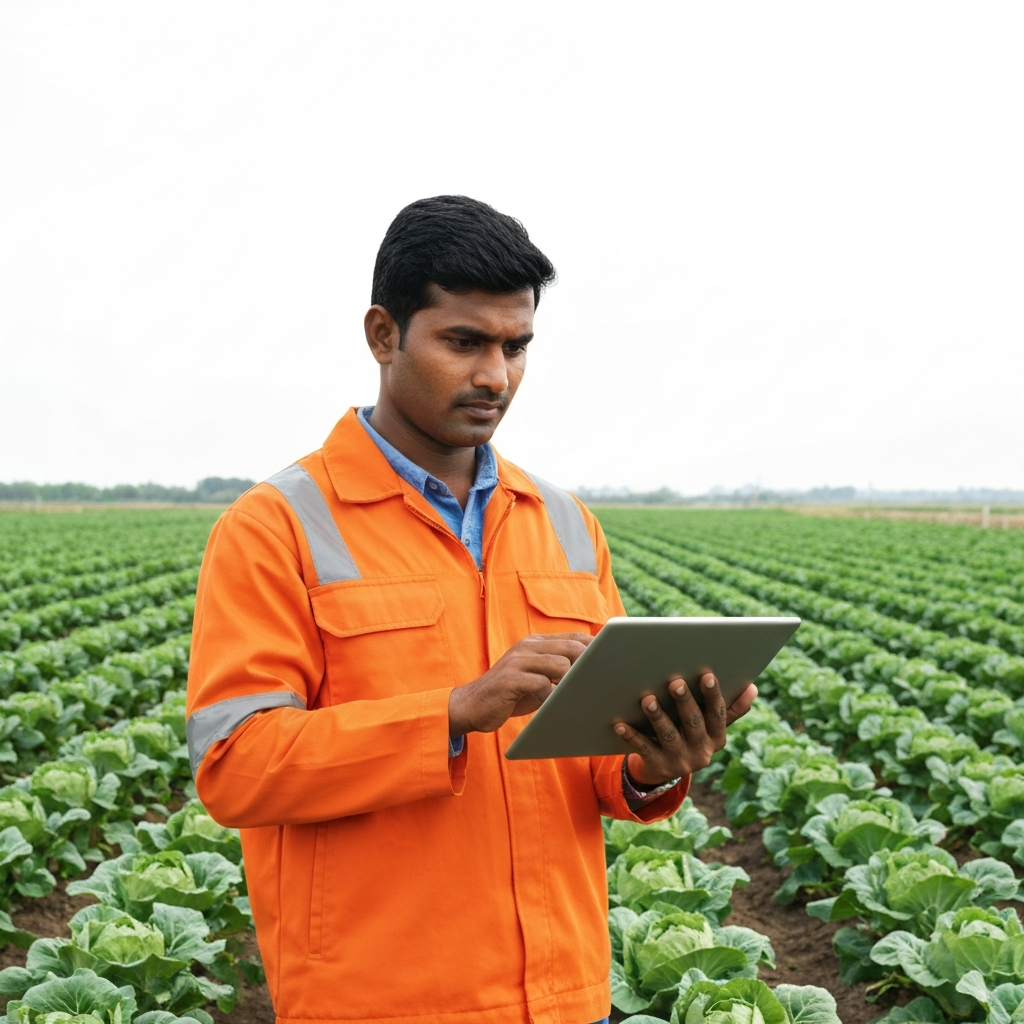
AI is already being deployed across various aspects of agriculture, offering significant improvements in efficiency and productivity. Precision farming, one of the most prominent applications, leverages AI algorithms to analyze data from sensors, drones, and satellites to optimize resource allocation. This includes precise irrigation, targeted fertilization, and optimized pesticide application, reducing waste and minimizing environmental impact. By understanding the specific needs of different areas within a field, farmers can tailor their practices to maximize yields and improve crop quality.
Another key application is predictive analytics, which uses AI to forecast crop yields, predict disease outbreaks, and optimize planting schedules. Machine learning models can analyze historical weather data, soil conditions, and market trends to provide farmers with valuable insights for decision-making. For example, AI can predict the likelihood of a fungal infection based on humidity levels and temperature, allowing farmers to take preventative measures before the disease spreads. This proactive approach can significantly reduce crop losses and improve overall profitability.
Furthermore, AI-powered robots are increasingly being used for tasks such as weeding, harvesting, and sorting. These robots can work autonomously, reducing the need for manual labor and increasing efficiency. For instance, robotic harvesters can identify and pick ripe fruits and vegetables with greater speed and accuracy than human workers. AI-powered weeding robots can distinguish between crops and weeds, eliminating the need for harmful herbicides. These advancements are not only improving productivity but also reducing the environmental impact of agriculture.
2. Key AI Technologies Transforming Farming
Several AI technologies are playing a crucial role in the transformation of agriculture, each offering unique capabilities to address specific challenges.
- Computer Vision: Computer vision enables machines to "see" and interpret images, allowing for automated crop monitoring, disease detection, and yield estimation. Drones equipped with computer vision systems can fly over fields, capture images of crops, and identify areas of stress or disease. This information can then be used to create targeted interventions, such as applying fertilizer or pesticides only where needed. The ability to visually assess crop health and identify potential problems early on is a game-changer for farmers.
- Machine Learning: Machine learning algorithms can analyze vast datasets to identify patterns and make predictions about crop yields, weather patterns, and market trends. These insights can help farmers make more informed decisions about planting, irrigation, and harvesting, ultimately increasing profitability and reducing risk. For example, machine learning can be used to optimize planting schedules based on historical weather data, ensuring that crops are planted at the optimal time for maximum growth. This data-driven approach is transforming agriculture from an art to a science.
- Robotics: AI-powered robots are revolutionizing agricultural practices, performing tasks such as planting, weeding, harvesting, and sorting with greater efficiency and precision than human labor. These robots can work around the clock, reducing labor costs and improving productivity. For instance, autonomous tractors can plow fields and plant seeds without human intervention, freeing up farmers to focus on other tasks. The increasing affordability and sophistication of agricultural robots are making them an indispensable tool for modern farmers.
3. The Future of AI in Agriculture
Focus on integrating AI solutions into existing farm management systems to maximize adoption and impact.
The future of AI in agriculture holds immense potential, with ongoing research and development promising even more sophisticated and transformative applications. One key area of focus is the development of fully autonomous farming systems, where robots and AI algorithms manage every aspect of crop production from planting to harvesting. These systems would be capable of optimizing resource allocation, detecting and responding to problems in real-time, and operating without human intervention. This level of automation would dramatically increase efficiency and reduce labor costs.
Another promising area is the use of AI to develop new crop varieties that are more resilient to climate change and resistant to pests and diseases. By analyzing genomic data and simulating different growing conditions, AI can help breeders identify desirable traits and accelerate the development of new crop varieties. This could lead to the creation of crops that require less water, fertilizer, and pesticides, making agriculture more sustainable and environmentally friendly. Imagine crops specifically designed to thrive in drought-prone regions, ensuring food security in the face of climate change.
Moreover, AI can play a crucial role in improving the sustainability of agriculture by optimizing resource use and reducing waste. By analyzing data from sensors and satellites, AI can help farmers identify areas where water, fertilizer, or pesticides are being used inefficiently. This information can then be used to fine-tune farming practices and reduce environmental impact. For example, AI can optimize irrigation schedules to minimize water waste and prevent soil erosion. By making agriculture more efficient and sustainable, AI can help ensure that future generations have access to a reliable supply of food.
🔗 Recommended Reading
- Optimizing React Renders with Memoization Hooks A Deep Dive for Senior Frontend Developers
- Multi Tenant Database Design for Scalable Applications A Deep Dive into Python Django FastAPI Node.js Backends
- Managing Database Concurrency for Scalable Backends A Deep Dive into Python, Node.js, and RESTful APIs
- Achieving Smooth React UI with Advanced Hooks A Deep Dive into Optimization
- Implementing Caching Strategies for API Performance A Deep Dive for Backend Engineers