📖 5 min read
In today's fast-paced digital world, businesses are constantly seeking innovative ways to enhance customer engagement and streamline operations. AI-powered chatbots have emerged as a game-changing technology, offering unparalleled opportunities for automation, personalization, and real-time support. Integrating chatbots effectively requires a strategic approach, careful planning, and a deep understanding of the technology's capabilities. This guide will explore key strategies for successful AI chatbot integration, covering essential aspects from defining business goals to optimizing chatbot performance. Discover how to leverage the power of AI to create exceptional customer experiences and drive business growth through intelligent chatbot integration.
1. Defining Your Chatbot's Purpose and Scope
Before embarking on any chatbot integration, it's crucial to clearly define the purpose and scope of the chatbot. This involves identifying specific business goals that the chatbot will help achieve, such as improving customer service response times, automating lead generation, or providing personalized product recommendations. The clearer you are about what you want your chatbot to accomplish, the better you can tailor its design and functionality to meet those needs.
A well-defined purpose translates into tangible business benefits. For instance, an e-commerce company might use a chatbot to handle frequently asked questions about order status, shipping, and returns, freeing up human agents to focus on more complex issues. A healthcare provider could deploy a chatbot to schedule appointments, provide medication reminders, and answer basic health inquiries, improving patient access and reducing administrative burden. By carefully considering your business priorities, you can ensure that your chatbot investment delivers maximum value.
Failing to define the chatbot's scope can lead to confusion and a poor user experience. Avoid the temptation to create a chatbot that tries to do everything. Instead, focus on a specific set of tasks that the chatbot can perform exceptionally well. This approach will not only improve user satisfaction but also make it easier to manage and maintain the chatbot over time. Prioritize features and functionalities based on their potential impact on your business goals and customer needs.
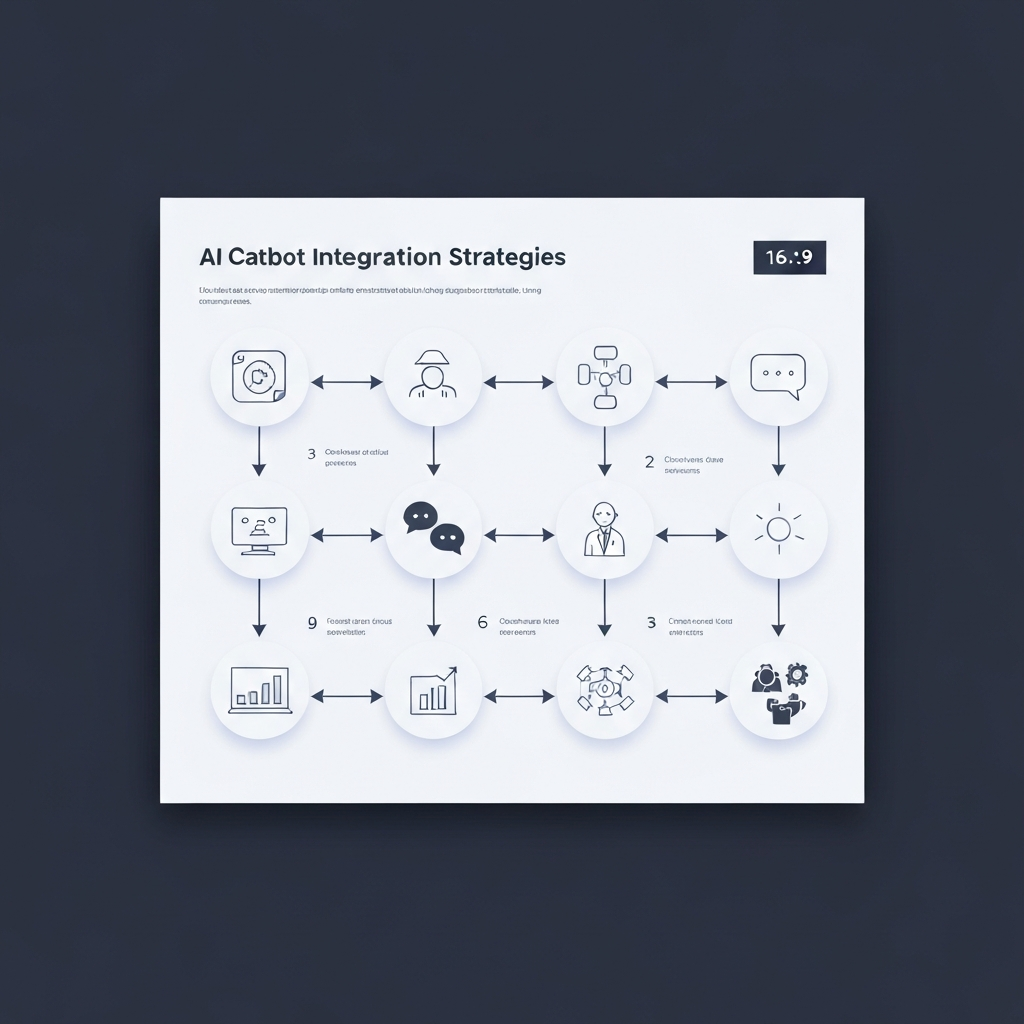
2. Choosing the Right Chatbot Platform and Technology
Selecting the right chatbot platform and technology is a critical step in the integration process. There are numerous platforms available, each with its own strengths and weaknesses. Factors to consider include the platform's ease of use, scalability, integration capabilities, and pricing. Different platforms offer different levels of customization and control, so it's important to choose one that aligns with your technical expertise and business requirements.
- Natural Language Processing (NLP): NLP is the foundation of any intelligent chatbot. Look for a platform that offers robust NLP capabilities, allowing the chatbot to understand and interpret user input accurately. This includes support for various languages, dialects, and colloquialisms. Advanced NLP features, such as sentiment analysis and intent recognition, can further enhance the chatbot's ability to respond appropriately to user needs.
- Integration Capabilities: A successful chatbot integration requires seamless connectivity with your existing systems and data sources. Ensure that the platform you choose offers APIs and integrations with your CRM, marketing automation, and other business applications. This will allow the chatbot to access relevant customer data, personalize interactions, and automate workflows across different departments. Data sharing and synchronization are crucial for a cohesive and efficient user experience.
- Scalability and Performance: As your business grows, your chatbot needs to be able to handle increasing volumes of traffic and interactions. Choose a platform that is designed for scalability and can maintain optimal performance even during peak periods. Consider factors such as response time, concurrency, and uptime. Cloud-based platforms often offer greater scalability and reliability compared to on-premise solutions.
3. Designing Conversational Flows and User Experience
Prioritize user experience by crafting intuitive and engaging conversational flows. Design conversations that are natural, helpful, and aligned with your brand's voice and tone.
Designing effective conversational flows is essential for creating a positive user experience. Start by mapping out common user journeys and identifying key interaction points. Consider the questions that users are likely to ask and the information they will need. Create clear and concise conversational scripts that guide users towards their desired outcomes. Use natural language and avoid technical jargon that users may not understand.
Personalization is key to creating a compelling chatbot experience. Use the chatbot to gather information about users' preferences, interests, and past interactions. Leverage this data to tailor conversations and provide relevant recommendations. Personalization can significantly improve user engagement and satisfaction. For example, a chatbot could greet returning users by name, remember their previous purchases, and offer personalized product suggestions based on their browsing history.
Test and iterate on your conversational flows to ensure that they are effective and user-friendly. Conduct user testing to identify areas for improvement. Monitor chatbot performance metrics, such as completion rates and user satisfaction scores. Use this data to refine your conversational scripts and optimize the chatbot's overall design. Continuous improvement is essential for keeping your chatbot relevant and valuable to users.
Conclusion
Integrating AI chatbots strategically can revolutionize business operations, enhance customer engagement, and drive significant growth. By defining clear objectives, selecting the right technology, and prioritizing user experience, businesses can unlock the full potential of AI-powered conversations. The key is to approach chatbot integration as an ongoing process of learning, adaptation, and optimization.
The future of AI chatbots is bright, with advancements in NLP, machine learning, and personalization technologies poised to further enhance their capabilities. As chatbots become more intelligent and intuitive, they will play an increasingly important role in shaping customer experiences and driving business outcomes. Embrace the power of AI to create exceptional conversational experiences that set your business apart from the competition.
❓ Frequently Asked Questions (FAQ)
How do I measure the success of my chatbot integration?
Measuring the success of your chatbot integration involves tracking key performance indicators (KPIs) that align with your business goals. These metrics might include customer satisfaction scores, resolution rates, lead generation numbers, and cost savings. Analyze chatbot usage data to identify trends and areas for improvement, focusing on how the chatbot is impacting critical business functions such as customer support and sales. Regularly review these metrics to ensure your chatbot is delivering tangible value and meeting your expectations.
What are some common challenges in AI chatbot integration?
Common challenges in AI chatbot integration include accurately understanding user intent, handling complex or ambiguous queries, and maintaining a consistent brand voice. Data privacy and security concerns are also paramount, as chatbots often handle sensitive customer information. Addressing these challenges requires careful planning, robust testing, and ongoing monitoring to ensure the chatbot is performing effectively and securely. Overcoming these hurdles will lead to a more reliable and trustworthy user experience.
How can I ensure my chatbot is secure and protects user data?
Ensuring chatbot security and data protection requires implementing robust security measures, such as encryption, access controls, and regular security audits. Comply with relevant data privacy regulations, such as GDPR and CCPA, and clearly communicate your data privacy policies to users. Implement strong authentication and authorization mechanisms to prevent unauthorized access to sensitive data. Regularly update your chatbot platform and libraries to patch security vulnerabilities and stay ahead of potential threats.
Tags: #AI #Chatbot #Integration #Automation #CustomerService #NLP #Technology